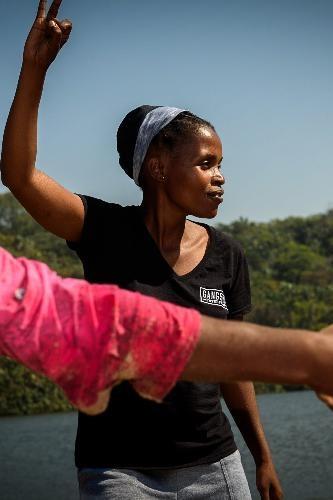
Unknown to many, climate change has been playing a role in fueling violence against women and children in some communities. This, however, goes largely unnoticed because the relationship is indirect.
For the Samburu community in Kirisia Forest, some 350 kilometers north of Nairobi in Kenya, the reality of this lived experience has been revealed as climate change interventions that improve economic empowerment have also reduced violence between married couples.
When weather events such as droughts and floods damage crops and kill livestock and men find themselves unable to provide for their families, many of them polygamous, domestic violence rates increase.
Mary Lemaletian, who was involved in training farmers in the region, said men in that community are in charge of livestock such as goats and cows but allow women to rear smaller animals such as chickens. During the prolonged drought, when livestock was wiped out, violence in families was common since men could no longer provide for them.
In other instances, droughts occurring in northern Kenya have forced male herders to travel far from their communities in search of pasture for their livestock. Their female relatives may be left at risk from raiders from other tribes who, in some cases, end up raping women and girls.
Women who may be forced into transactional relations with men in their communities to secure the financial means to buy basic items like foodstuffs for their families are also placed at higher risk of sexual violence.
The loss of livelihoods translates to a lack of financial empowerment that fuels violence. However, changes are emerging after the prolonged 2020-2022 drought that hit the entire Horn of Africa region and made paupers of the communities living near the forest, which is also known as Leroghi.
In 2021, a climate adaptation project was established to empower the Kirisia forest community.
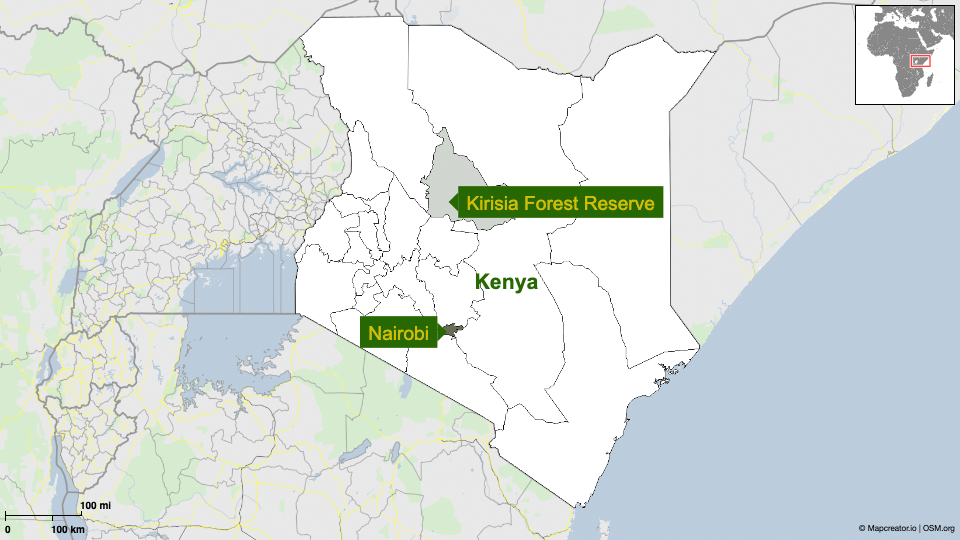
The project, aimed at enhancing the community’s food security, has brought the unintended benefit of significantly reducing violence and bringing more peace to families.
Anne Kanai, a retired nurse and nutritionist who runs the Samburu Women Empowerment Integrated Program, an economic empowerment group for women, says that economic inequality fuels abuse.
She said, “Violence takes many forms in Samburu ranging from sexual when girls are married off at young ages, wife beating because women are not respected in the society and it is worse if a woman doesn’t have any form of income.”
Kanai added that when women are supported to start economic empowerment programs like kitchen gardens, poultry rearing, and table banking, violence in many families is reduced. Economic independence makes women less reliant on men, reducing conflicts from financial scarcity.
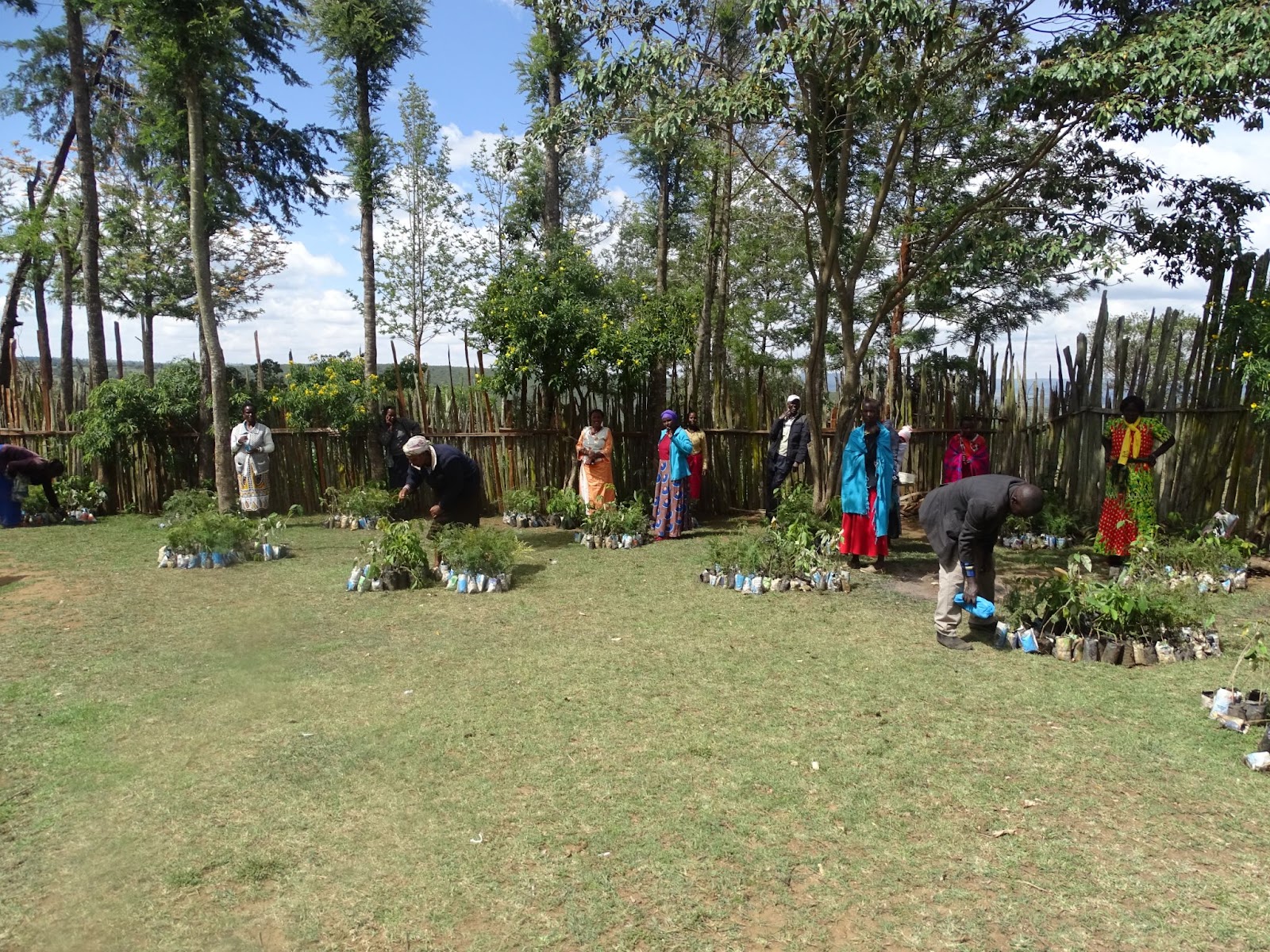
The project aimed to conserve Kirisia Forest by ensuring that the community did not cut down trees while providing alternative livelihoods for the locals. This unique way of alleviating poverty and preventing deforestation has now become a solution for many families who were at risk from poverty-driven violence.
Mukaindo said the project has established three poultry hubs and supported the communities with training on poultry production and management, setting up of chicken coops, water tanks, solar-powered incubators, one-day-old chicks, feed production machines, raw materials for feed production, poultry equipment like feeding troughs, drinkers, and poultry medicine.

These poultry hubs were to act as learning centers for other poultry farmers in the area. Community members involved in the projects estimate they make upwards of $10,000 in collective net profit annually based on poultry products sold by each poultry hub.
Over 500 farmers have benefited from this poultry project.
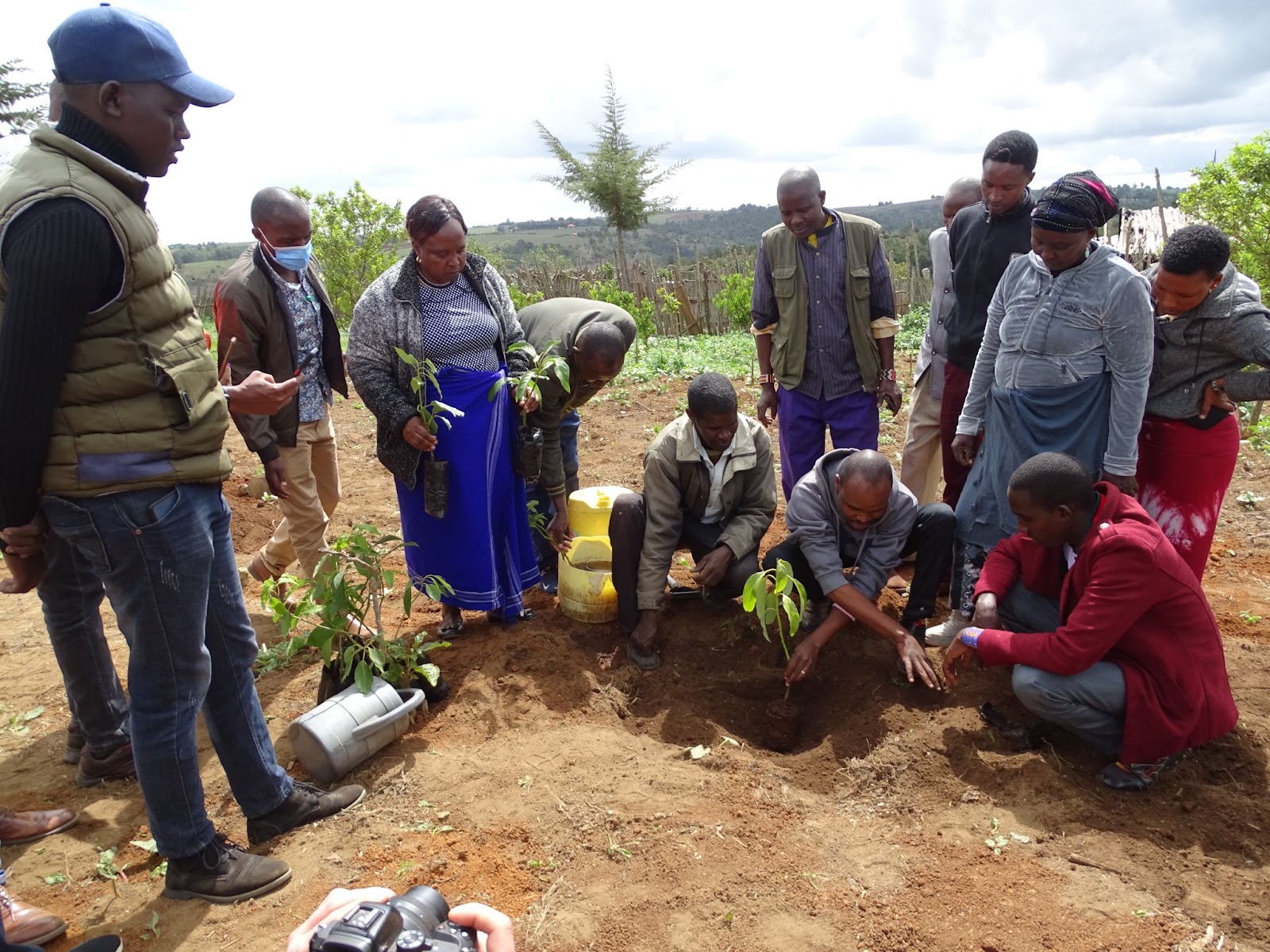
In addition to the poultry project, over 400 farmers were trained in the beekeeping value chain and 27 groups were supported with assorted beekeeping tools and equipment, including beehives and harvesting gear. The beekeepers have started refining their honey and labeling it, thus creating employment and building some income that can transform the community further. Additionally, more than 1,000 farmers were given fruit trees. The idea was to discourage cutting down trees for charcoal burning.
Economic change takes time, but two years later, many women use the proceeds from selling their eggs at the market to buy other things they need at home.
“Violence reduced remarkably when the women started selling eggs to provide for the family. They get more money from selling chicken, which they spend to buy things like school uniforms for their children,” said Sainab Lebaiyan, one of the poultry beneficiaries.
She added that women’s contributions to the household budget and reduced dependence on their husbands make for happier family co-existence. “In fact, with the table banking groups that they started after getting income, women even started replenishing livestock for their husbands, and the families are happy again.”
Besides empowering the community economically, the project has also helped improve nutrition for families as they can more readily access proteins at home.
Lemaletian noted that the community was open to new ideas. “Once they formed groups, each group was provided with tanks to help store water for domestic and livestock consumption. In addition, some of the farmers received beehives, which ensured that trees would be conserved since they were needed to place the hives.”

She added that violence has reduced as couples are more occupied by their income-generating activities.
The intervention, which was implemented as an adaptation project to help communities in the face of climate change, has encouraged a saving culture among members and changed their development perception. “The community can act as a role model for others where saving can transform their livelihoods, health, and education,” Lemaletian noted.
Donor support for the project ended in 2023, but the beneficiaries have sustained their activities.