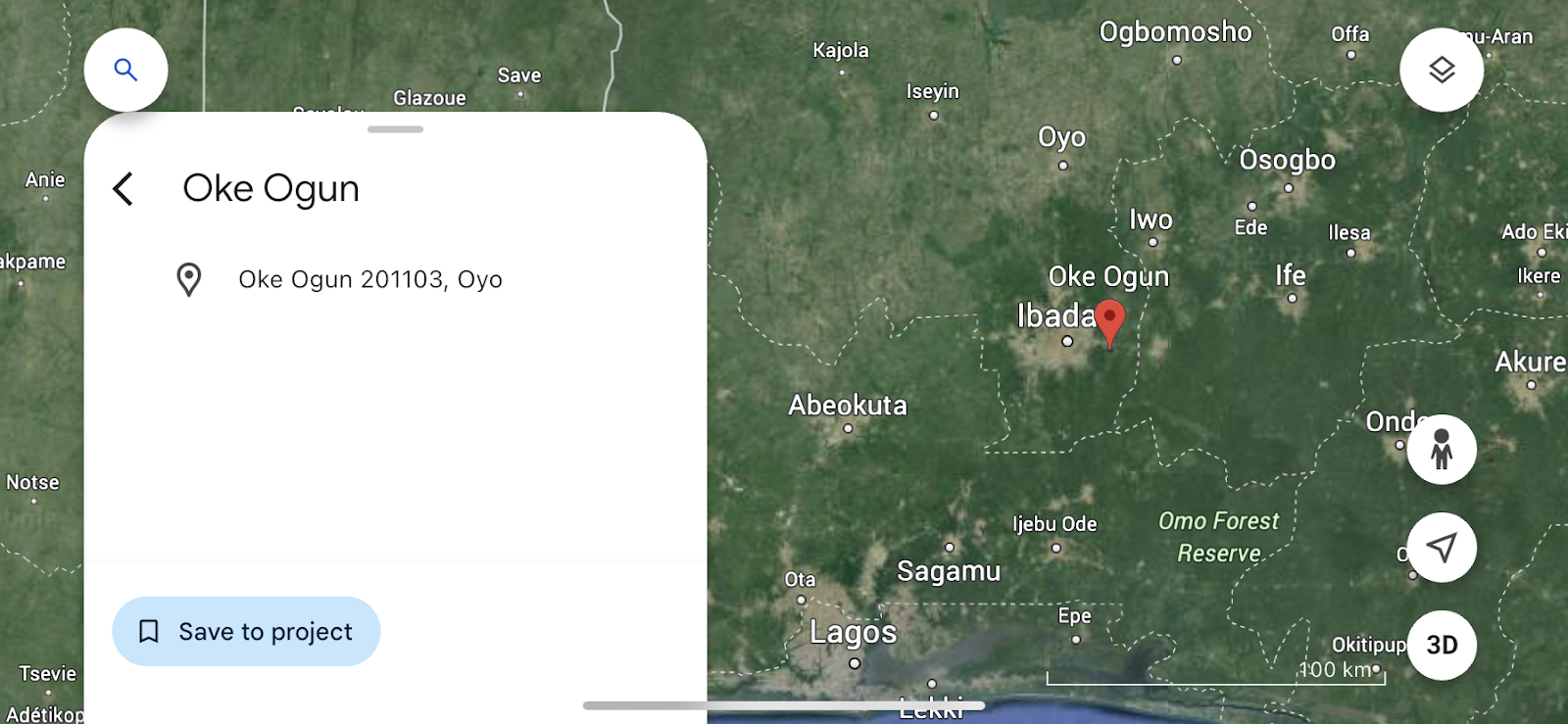
Kilani Sodiq took a leap of faith by returning to his farm two years after he was driven off by herders who killed, maimed and raped some of his fellow farmers in Nigeria’s Southwest region. Sodiq, whose farm lies just over 200 km north of Lagos, Nigeria’s commercial capital, claims that herders killed the farmer whose soya bean farm was closest to his. They once attempted to rape his eldest daughter forcing him to remove his family to safety.
The farmer-herder conflict has been a perennial problem for over a decade, especially in Nigeria’s Middle Belt and Northwest region, claiming thousands of lives, and displacing over 3 million people. It has now spread to the Southwest region which has some of the country’s most vibrant and economically developed cities, including Lagos, Ibadan, and Ijebu-Ode, among others.
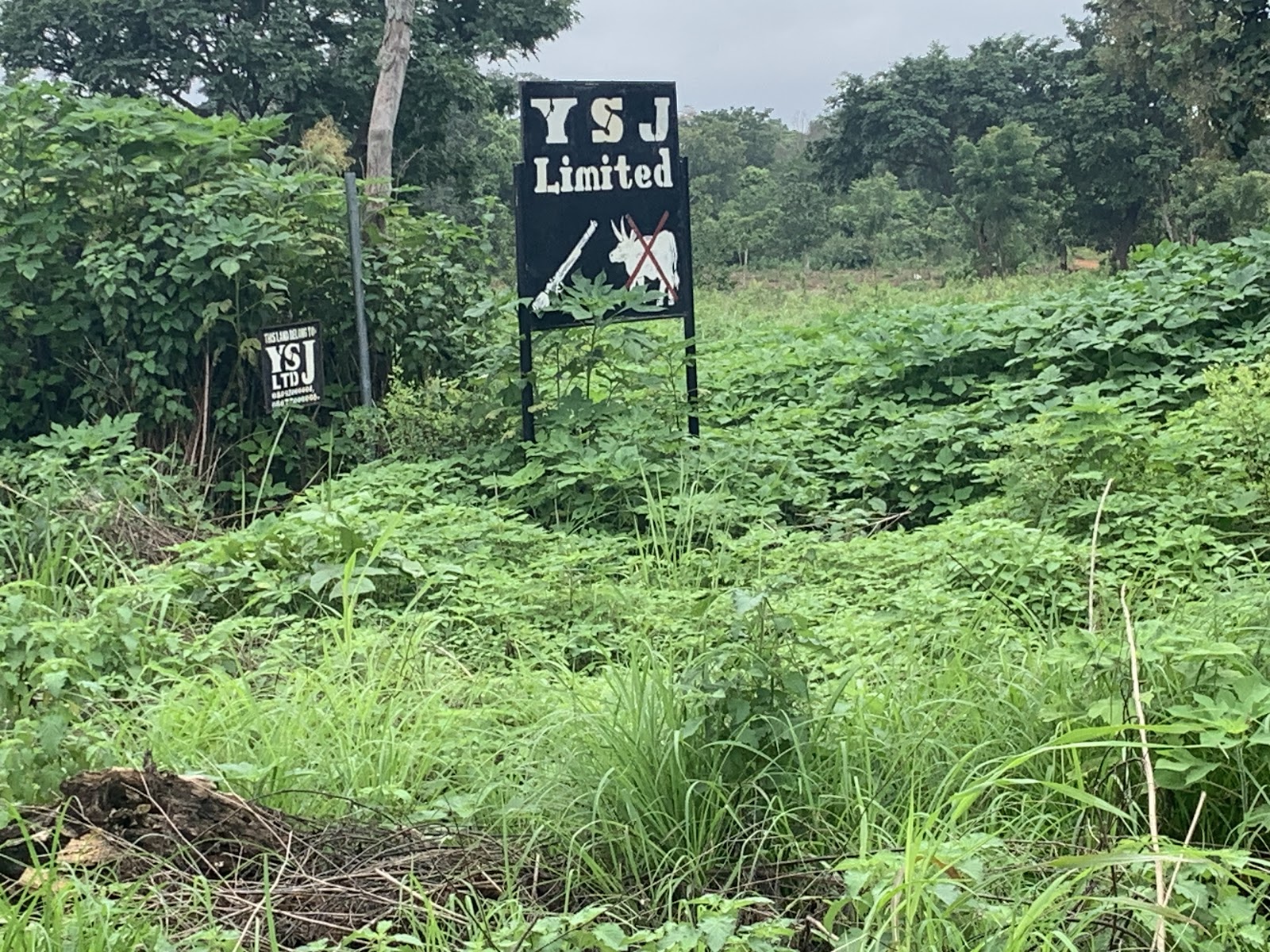
At its peak the conflict in the Southwest triggered a series of protests and threats of secession around 2020/2021 by a group claiming to represent the Yoruba-speaking people of the region. State area governors conceded to demands for a ban on open grazing of cattle.
But the ban is seldom enforced and open grazing persists. While the scale of the conflict in the Southwest has reduced thanks to efforts of a regional security network setup by a forum of state governors in 2020, there are still pockets of clashes, mostly unreported. Daniel Anavhe’s farm located in Ogun State has reportedly been destroyed twice this year by herders who killed one of his workers and kidnapped his son for ransom. He has now fled his farm.
Another farmer expresses her disappointment after a similar attack in the same state.
“My husband just planted some potatoes yesterday (in June 2024) and they have destroyed everything. What kind of country is this…,” poses Enioluwa, who shared a video of her husband’s farm ravaged by cattle in July.
Unfortunately, the farmer-herder conflict is often approached with ethnic rhetoric, mainly because the pastoralists do not share the same ethnic group as the farmers. However, experts say the conflict is fueled by the impact of climate change and cannot be addressed by guns or arrests.
Climate crises such as drought and desertification in the North are forcing herders to move Southward and seek new grazing lands for their cattle. In the search for water and pasture for their livestock, the herders invade farmlands where their cattle inevitably destroy crops. When the farmers try to chase them away or attack the flock, the outcome is usually a bloody clash or a retaliatory attack.
Uneven Rainfall, Flash Floods – Nigerian Farmers Suffer Climate Crises
Apart from the climate-induced ‘eco-violence’, farmers must also contend with erratic weather conditions, especially flash floods and prolonged droughts.
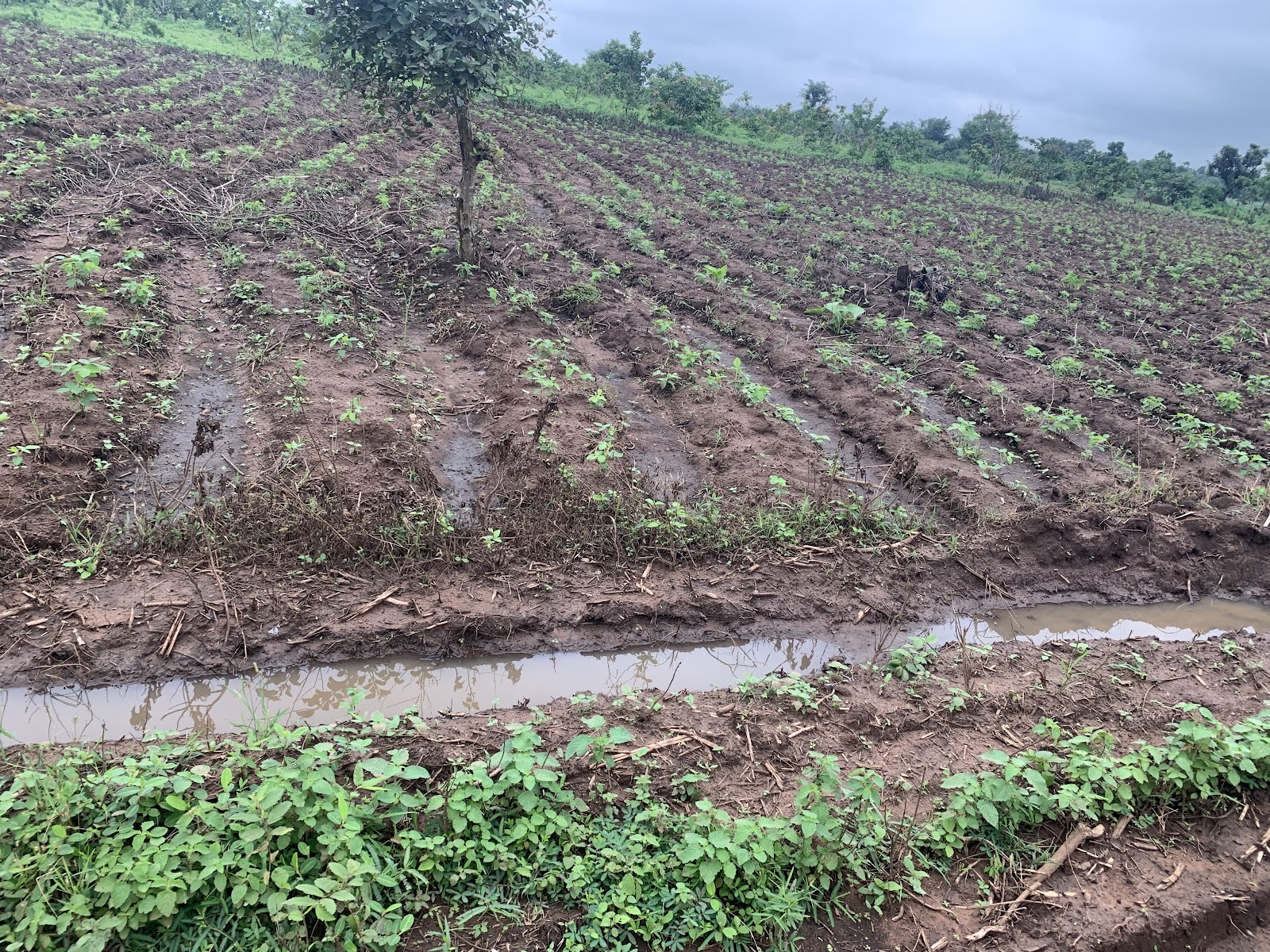
After Sodiq returned to his farm in early 2024, he planted potatoes and maize on two-thirds of an acre of his land, but about a month later, heavy rainfall destroyed some of his crops. Floods swept the tender maize crop while erosion washed away most potato heaps. “It was very sad because I prayed for the rain to fall. Maybe I should have included in my prayer that it should be moderate.”
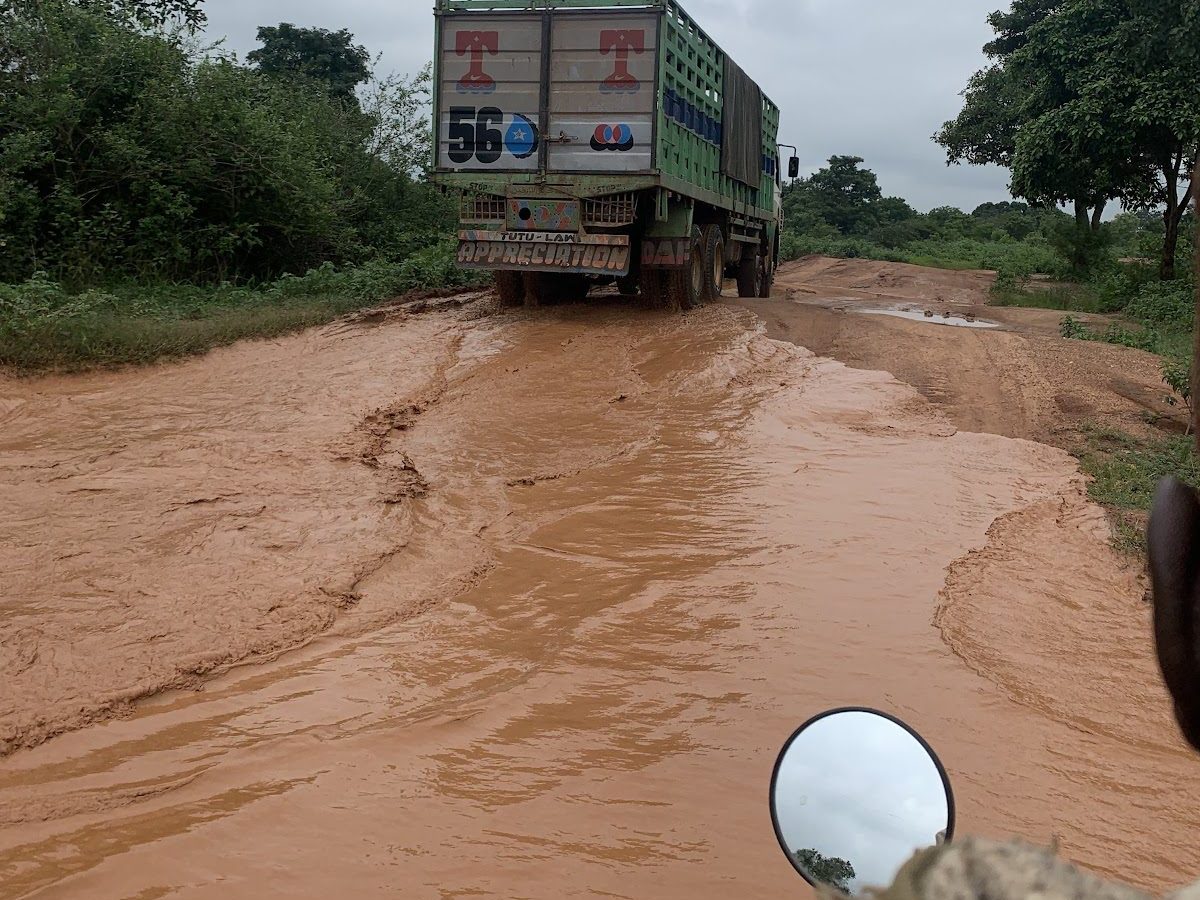
The damage on Sodiq’s farm was minimal, and he was able to revive some of the crops. But Nathaniel Zayong, whose farm is located in the Northeast, 500 kilometres from Abuja, was less fortunate. After a heavy rainfall in July, his whole farm was submerged by water.
The weather’s unpredictability due to climate variability is hurting Nigerian farmers. While Sodiq was able to mitigate the damage caused by the flash flood to his farm, his crops were stunted. “You can see the corn…see how small it is,” he says, almost to himself.
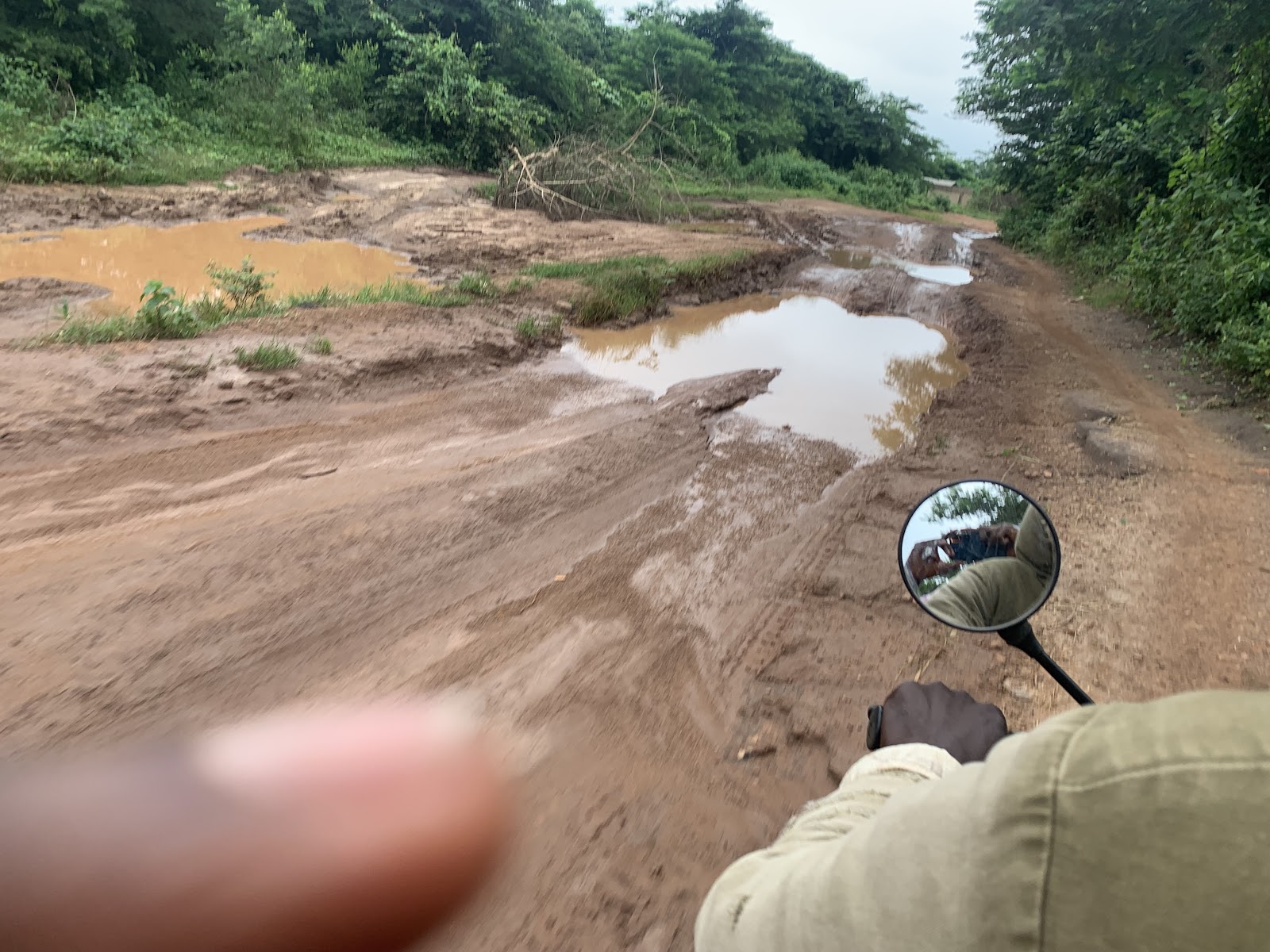
For Sodiq, this is unlike the past, when Oke-Ogun was the region’s food basket, with large cultivations of cassava, maize, yam, and soya beans, among others. However, when this reporter visited the area in June 2024, farmers lamented that climate change has significantly reduced the region’s food production capabilities.
After the flash flood that destroyed crops and roads in early June, the farmers say it has not rained for weeks. “…but we hear it is raining in the city,” says Mukaila Adesina, a soya bean farmer and Baale (Head) of the Idera-Oja community in Southwest region.

For him and other farmers like Nofiu Akande, climate variabilities, such as extended dry periods after sudden rain bursts and unpredictable weather patterns, negatively impact crops. Due to the weather whiplash, maize, soya beans, and potato crops grow poorly.
Indigenous Solutions As Climate Change Excercebates Food Insecurity
Erratic weather and climate-influenced eco-violence are at the heart of Nigeria’s food insecurity. In July 2023, President Bola Tinubu declared a state of emergency on food insecurity. The situation has deteriorated since then. According to data from the National Bureau of Statistics, the average price of 1kg rice stood loosely at 80 cents in U.S. dollar values in January 2024, compared to 45 cents in January 2023, a 98.47% increase in price.
Experts, including Chief Agriculture and Nutrition Desk Officer Mahmood Umar Bala at the Bauchi State Ministry of Agriculture and Rural Development based in Northeast, have advocated for climate-smart farming to mitigate the impact of climate change on agriculture.
However, this may be expensive for the over 30 million smallholder farmers in Nigeria who constitute over 80% of the country’s farming population. Ibrahim Joseph, a Programmes Manager at the Global Initiative for Food Security and Ecosystem Preservation said there are cheaper indigenous solutions to the climate crisis for farmers. He further explained that solutions such as rain harvesting, simple technology irrigation systems, and nature-based flood-control techniques could help farmers adapt to the climate crisis.
“We know that traditionally, our forefathers had some plants. There are plants that they use to combat erosion. There are also nature-based solutions which involve using practically what is available to you by nature to combat climate change issues.”
He suggests that relevant government agencies and civil society organisations should make information about weather conditions and climate crisis available and accessible to the rural farmers most hit by climate change.
Although the Nigerian Meteorological Agency (NiMet) provides weather reports, they are inconsistent, and the information rarely gets to rural communities. “Sometimes, these farmers are misled by the weather or a first rain into thinking the rains have come and they start planting. [Climate-related] information is very useful to farmers and we need to downscale it to the grassroots,” Joseph added.